Balance care
Ear Balance / Vertigo
Speak with our team about ear balance concerns, vertigo and rehabilitation options tailored to your assessment.
Learn More →
Explore our spine alignment and rehabilitation services, including ear balance / vertigo, sciatica and knee pain care. Contact our team to arrange an individual assessment.
Speak with our team about ear balance concerns, vertigo and rehabilitation options tailored to your assessment.
Learn More →Personalized assessment and rehabilitation support for sciatica, with care planned around your symptoms and daily activities.
Learn More →Individual assessment and rehabilitation for knee pain, with a focus on your mobility and everyday activity goals.
Learn More →
Speak with our team about ear balance concerns, vertigo and rehabilitation options tailored to your assessment.
Contact Relief Health Care to discuss your concerns and arrange an appointment. Your care plan will be based on an individual assessment.
Personalized assessment and rehabilitation support for sciatica, with care planned around your symptoms and daily activities.
Contact Relief Health Care to discuss your concerns and arrange an appointment. Your care plan will be based on an individual assessment.
Individual assessment and rehabilitation for knee pain, with a focus on your mobility and everyday activity goals.
Contact Relief Health Care to discuss your concerns and arrange an appointment. Your care plan will be based on an individual assessment.
Physiotherapy uses assessment, therapeutic exercise, movement training, education and other appropriate techniques to improve mobility, strength, flexibility and function.
Physiotherapy is a rehabilitation profession that helps people work on pain, movement limitations, physical function and recovery. A plan should be individualized rather than based only on a diagnosis label.
Physiotherapy is planned after assessment and can use a combination of education, progressive exercise and movement strategies appropriate to the individual's presentation.
Depending on the individual condition, physiotherapy may help improve movement, flexibility, muscle strength, functional ability and confidence during movement. Pain and stiffness may also reduce, but results vary according to the patient's condition, severity, age and adherence to the program.
Evaluation is useful when pain, stiffness, weakness or movement limitations persist, recur or interfere with work, sleep, walking, exercise or everyday activity.
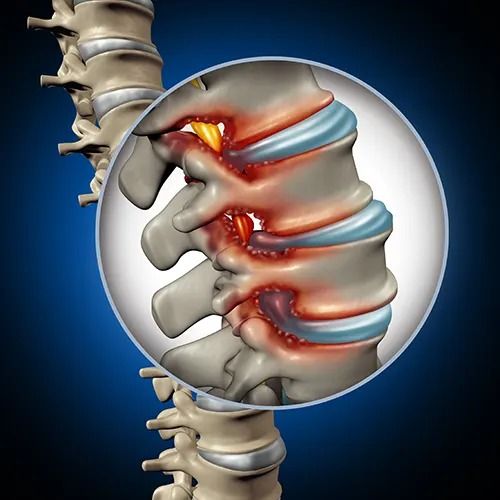
Disc-related symptoms can affect the lower back or neck and may sometimes radiate into an arm or leg. Physiotherapy management is based on symptoms, function and examination findings.
A disc bulge occurs when part of the cushioning disc between spinal bones extends beyond its usual boundary. Some disc bulges cause no symptoms, while others may be associated with irritation or sensitivity around nearby structures.
Depending on the individual condition, physiotherapy may help reduce pain, improve mobility, reduce stiffness, improve core stability and spinal movement, support daily functional activities and help patients gradually return to normal activities. Exercise and posture education may also reduce recurrence risk.
Seek evaluation when back or neck symptoms persist, affect daily function or are accompanied by radiating symptoms. Significant or progressive weakness, saddle numbness or bladder/bowel changes require urgent medical assessment.
Scoliosis physiotherapy focuses on posture, mobility, muscle balance, body awareness and functional movement. The approach depends on age, curve characteristics, symptoms and individual goals.
Scoliosis is an abnormal sideways curvature of the spine, often with some rotation. Physiotherapy does not promise to straighten every scoliosis curve, but may support movement and function.
Depending on the individual case, treatment may support improved posture, better muscle balance, improved mobility, better body awareness, reduced muscular discomfort and improved functional capacity.
A professional assessment can be helpful when scoliosis is known or suspected, posture is changing, discomfort is persistent, or movement and activity are being affected.
Physiotherapy for excessive lordosis may address posture, pelvic control, core strength, hip mobility, muscle flexibility and movement habits.
Lordosis describes the normal inward curve of the lower back. When the curve is excessive or associated with symptoms and movement problems, rehabilitation may focus on contributing muscle and posture factors.
Expected outcomes may include improved posture, better pelvic control, increased flexibility, improved core stability, reduced muscular discomfort and improved functional movement.
Consider evaluation when posture concerns are accompanied by pain, stiffness, weakness or difficulty with work, exercise or daily movement.
Posture-focused physiotherapy for kyphosis may use thoracic mobility, back extensor strengthening, chest and shoulder flexibility, core work and ergonomic education.
Kyphosis refers to forward rounding of the upper spine. Some rounding is normal, while excessive or symptomatic kyphosis may affect posture, mobility and muscular comfort.
Potential outcomes can include improved upright posture, improved mobility, improved muscle strength, reduced muscular stiffness and better functional movement.
Assessment is useful when postural rounding is increasing, painful, associated with weakness or affecting daily activity.
Cervical spondylosis is commonly associated with age-related changes in the neck. Physiotherapy may help manage movement restrictions, stiffness, posture and muscle capacity after assessment.
Cervical spondylosis is a term used for degenerative changes in the cervical spine. Symptoms vary, and imaging findings do not always match the amount of pain a person experiences.
Expected outcomes may include reduced neck pain, improved range of motion, improved posture, better muscle strength, reduced stiffness and better ability to perform daily activities.
Evaluation is recommended when neck symptoms persist, interfere with daily life or include arm symptoms. Progressive weakness or other concerning neurological symptoms need medical attention.
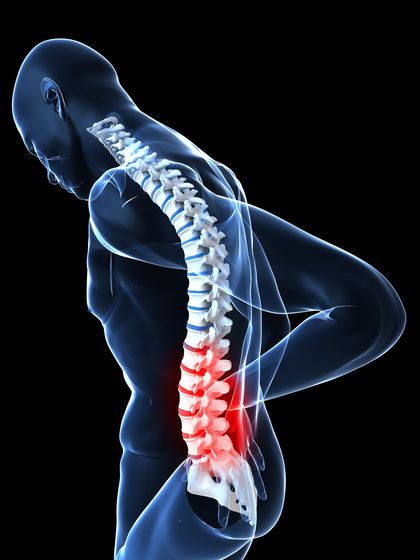
Back pain may be acute or persistent and can be influenced by activity, muscle strain, posture, strength, sleep, work demands and disc-related factors.
Acute back pain is relatively recent, while chronic or persistent back pain lasts longer. The cause is not always a single structure; assessment considers movement, load tolerance and functional limitations.
Care may help reduce pain and stiffness, improve spinal mobility, improve strength, increase activity tolerance and make daily tasks easier.
Seek assessment when back pain does not improve as expected, repeatedly returns or affects sleep, work, walking or exercise. Red-flag symptoms require prompt medical evaluation.
Neck pain can be influenced by prolonged computer or mobile use, muscle stiffness, work demands, cervical conditions, stress and reduced movement variability.
Neck pain is a common musculoskeletal problem. Physiotherapy assessment looks at movement, posture, strength, symptoms and activity patterns rather than assuming one cause.
Realistic outcomes can include improved movement, reduced stiffness, better posture awareness, improved muscle capacity and greater comfort during daily activity.
Assessment is recommended when symptoms are persistent, recurrent, limiting movement or accompanied by arm pain, numbness, tingling or weakness.
Posture rehabilitation focuses on movement variety, strength, mobility and practical habits rather than trying to hold one “perfect” posture all day.
Posture is the position and movement strategy your body uses during sitting, standing and activity. Problems may involve forward head posture, rounded shoulders, excessive lordosis, kyphotic posture or scoliosis-related asymmetry.
Expected outcomes may include improved posture awareness, better strength and endurance, improved mobility, reduced muscular stiffness, improved movement confidence and more comfortable daily activities.
Professional evaluation can help when posture concerns are associated with persistent discomfort, stiffness, weakness, reduced movement or difficulty with work and daily activities.